
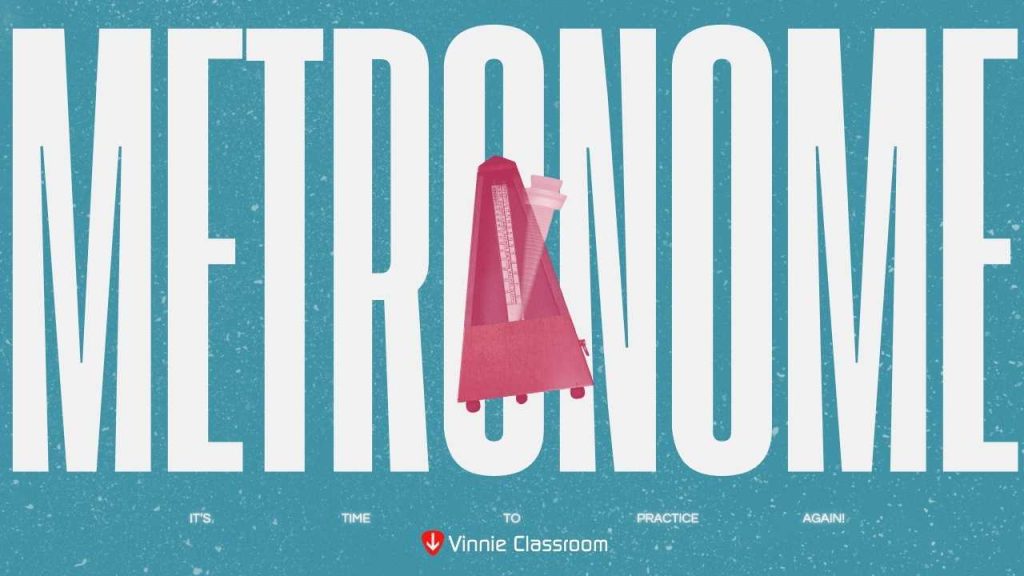
I asked GPT-5 to code this metronome app for our music lessons!
Discovering that the new GPT-5 could code a metronome app from scratch was a game-changer for our music lessons.
While watching the
GPT-5 keynote on YouTube, I was thrilled to hear Sam Altman announce its ability to build entire programs.
I’ve always dreamed of creating software that would benefit our students, and in that moment, my mind exploded with ideas!
Visions of tools coming to life before I even reached my computer.
I knew instantly that GPT-5 would revolutionise the way we teach in our little music school.
Our first version attempt to code an app with GPT-5
When we first sat down to code our metronome app with GPT-5, none of us knew exactly what to expect.
Our students and teachers were curious, and honestly, so was I.
The results? Impressive for a first attempt! Though far from perfect.
Working with GPT-5 is a bit like collaborating with a child prodigy.
It’s smart, creative, and fast, but the outcome depends entirely on how clearly you explain your vision.
Give vague instructions, and it might wander in an unexpected direction.
Give clear, precise prompts (especially with a sprinkle of coding jargon), and it delivers something remarkably close to what you imagined.
The best part? Even without any coding background, we could still bring an app to life.
That’s a huge win for music educators like us who’ve always dreamed of building our own tools.
So here it is! Version 1.0 of our GPT-5-built metronome app.
I know that in a week or two, after testing it in our lessons, we’ll have a list of tweaks and upgrades ready to go.
But for now, we’re just thrilled to see an idea turn into reality.
Exciting times ahead for our music school!
Open the metronome app (new tab)
Will AI take over music lessons then?
When YouTube first exploded with free music lesson uploads, many music educators panicked.
After all, people were giving away “trade secrets” for nothing, and it felt like teachers might soon become extinct.
The flood of free lessons never slowed down.

It wasn’t the first time the music world faced this fear.
When songs turned into MP3 files and started being shared online without paying artists a cent,
record labels and music companies took legal action.
Yet, just like with free lessons, the free music kept coming.
And through all these waves of disruption, both music and music educators survived.
The idea of AI replacing music lessons could fill an entire article, but here’s the short version:
YouTube didn’t replace teachers because a video can’t correct your posture, fix your fingering,
or stop bad habits before they stick.
Music streaming didn’t kill musicians because nothing compares to the energy of live performance.

Likewise, AI won’t take over music education like a sci-fi Skynet scenario! At least, not yet.
For now, AI still relies on prompts and the user’s own understanding of the subject.
Every AI system comes with a disclaimer that its information may not be 100% accurate.
And importantly, it can’t watch your hands and adjust your technique in real time.
So yes, we’re still safe, for now.
Take music lessons with the masters of AI!
Ready to discover how we utilize AI tools like GPT-5 to enhance your music lessons?
Are you curious how
music lessons in Singapore
can help you or your child unlock their full potential?
Consider signing up for trial lessons!


Pingback: Day 2 of the 1st Kota Kinabalu Music Pedagogy Conference – Exclusive Highlights for Music Teachers - Vinnie Classroom